Shaping the future of sustainability in manufacturing at Renishaw Miskin
Renishaw has completed the first phase of a major expansion of its manufacturing facility in Miskin, South Wales, marking the largest capital investment in the company's history and a significant milestone in its long-term commitment to high-value, sustainable manufacturing in the UK.
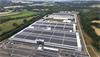
Announced in 2023, the £70 million development will ultimately double the size of the Miskin site, adding 463,000 sq ft (43,000 m²) of new space and establishing the facility as one of the UK's largest advanced manufacturing sites.
Renishaw acquired the former Bosch industrial site near Miskin in 2011 and has continued to expand its operations there in the years since. Today, the site employs more than 900 people from across South Wales. This latest phase of development demonstrates the company's long-term confidence in the region and its commitment to creating highly skilled jobs and supporting economic growth for years to come.
Designing for Net Zero
The investment in low-energy buildings at Miskin supports Renishaw's wider commitment to achieving Net Zero greenhouse gas emissions across Scopes 1 and 2 by 2028. By reducing operational energy demand, eliminating on-site fossil fuel use and maximising renewable energy generation, the new facilities will make a significant contribution to lower emissions lowering emissions associated with energy consumption.

While reducing operational carbon emissions was a key focus of the expansion project, measures were also taken to minimise embodied carbon during construction. Although the development followed established industry construction methods, the quality of detailing and installation exceeded typical standards. Excavated materials were retained and reused on site wherever possible, reducing transport-related emissions and avoiding the carbon impact associated with importing and exporting large volumes of material.
The new buildings have been designed to achieve substantial reductions in operational energy use and greenhouse gas emissions throughout their lifetime. Renishaw's long-term ambition is for all buildings at the Miskin site to operate at Net Zero. Hall 3, the first of the two new manufacturing halls to be completed, has been designed to achieve Net Zero Carbon in Operation.
Energy modelling indicates that the building's annual base operational energy demand will be fully met through on-site renewable energy generation. This approach aligns with the UK Green Building Council's Net Zero Carbon Framework, which defines how building energy use should be modelled, how renewable generation is accounted for, and how operational performance is verified over time.
The strategy extends beyond the new developments. Existing buildings at the Miskin site are also being upgraded to improve energy performance and reduce carbon emissions. The two original halls acquired from Bosch will be retrofitted with energy-efficient cladding, while legacy heating systems have been replaced with lower-carbon alternatives. Together with the new manufacturing halls, these improvements will move the entire site closer to achieving Net Zero operation.
High-performance buildings for energy efficiency and comfort
The new manufacturing halls have been designed to achieve significantly lower energy consumption than a typical industrial facility. Enhanced insulation in the walls, roofs and floors delivers thermal performance well beyond current building regulation requirements, while high-performance glazing minimises heat loss and reduces the energy required to maintain comfortable indoor conditions throughout the year.

Heating and cooling are provided by highly efficient electric heat pump systems, which generate multiple units of heating or cooling energy for every unit of electricity consumed. The system delivers approximately four units of heat and six units of cooling per unit of electricity, making it substantially more energy efficient and lower in carbon emissions than conventional gas-fired systems.
The ventilation strategy further improves efficiency. Heat recovery units capture more than 84% of the heat from extracted air before it leaves the building, while insulated ductwork minimises energy losses during air distribution. Together, these measures help maintain stable internal temperatures, reduce energy demand and create a comfortable working environment for employees.
A key feature of the Miskin expansion is its extensive use of on-site renewable energy generation. The development incorporates a substantial solar installation comprising 920 m² of roof-mounted photovoltaic panels and 285 m² of wall-mounted panels, generating an estimated 199.09 MWh of clean electricity each year. Where additional electricity is required, renewable energy tariffs are used to further reduce the site's carbon footprint.
Building performance is managed through a sophisticated Building Management System (BMS), which automatically controls heating, cooling, lighting and ventilation in response to occupancy levels and changing weather conditions. More than 150 energy meters have been installed throughout Hall 3, providing detailed, real-time insight into energy consumption. The system is designed to clearly distinguish between building energy use and manufacturing process energy, enabling accurate performance monitoring and helping to identify further opportunities for efficiency improvements.
Manufacturing capacity to support future growth

Hall 3, providing 193,000 sq ft of manufacturing space, is now fully operational. The facility is used to manufacture Renishaw's metal additive manufacturing systems and AGILITY co-ordinate measuring machines (CMMs). These high-precision CMMs are supplied to manufacturers worldwide and are used to inspect complex components across industries including aerospace, automotive, medical technology and renewable energy.
Hall 4 has been constructed as a shell building and will be fitted out when additional manufacturing capacity is required. Renishaw has already invested tens of millions of pounds in advanced manufacturing equipment for Hall 3 and expects to invest millions more to complete and equip Hall 4 in line with future demand. The additional space will support more efficient production layouts, improved workflow management and greater flexibility to develop new technologies, undertake pilot production activities and scale operations as demand grows.
Beyond increasing manufacturing capacity, the development has been designed to deliver long-term operational and environmental benefits. The high-performance buildings require significantly less energy than conventional industrial facilities, reducing operating costs and carbon emissions from the outset. By generating a substantial proportion of their electricity on site, they also reduce reliance on the national grid while helping to provide greater resilience against future energy price volatility.
Building performance will be closely monitored during the first five years of operation. Energy consumption, renewable energy generation and system performance will be measured and assessed against design-stage predictions. Any performance gaps will be investigated and addressed to ensure the facilities continue to operate in line with Net Zero Carbon in Operation principles. This approach reflects recognised industry best practice, including CIBSE TM54 energy modelling and Soft Landings post-occupancy evaluation, helping to ensure that predicted performance is achieved in practice.
People, skills and employee wellbeing

The Miskin expansion has also provided valuable opportunities to develop early-career talent within Renishaw. Apprentices and graduate engineers have played an active role throughout the project, gaining first-hand experience of delivering a major industrial development. Project engineering apprentices were embedded within the design teams responsible for Halls 3 and 4, as well as the new employee wellbeing centre, contributing to layout planning, coordinating with multiple departments, attending regular site visits and supporting the design of office and workshop facilities.
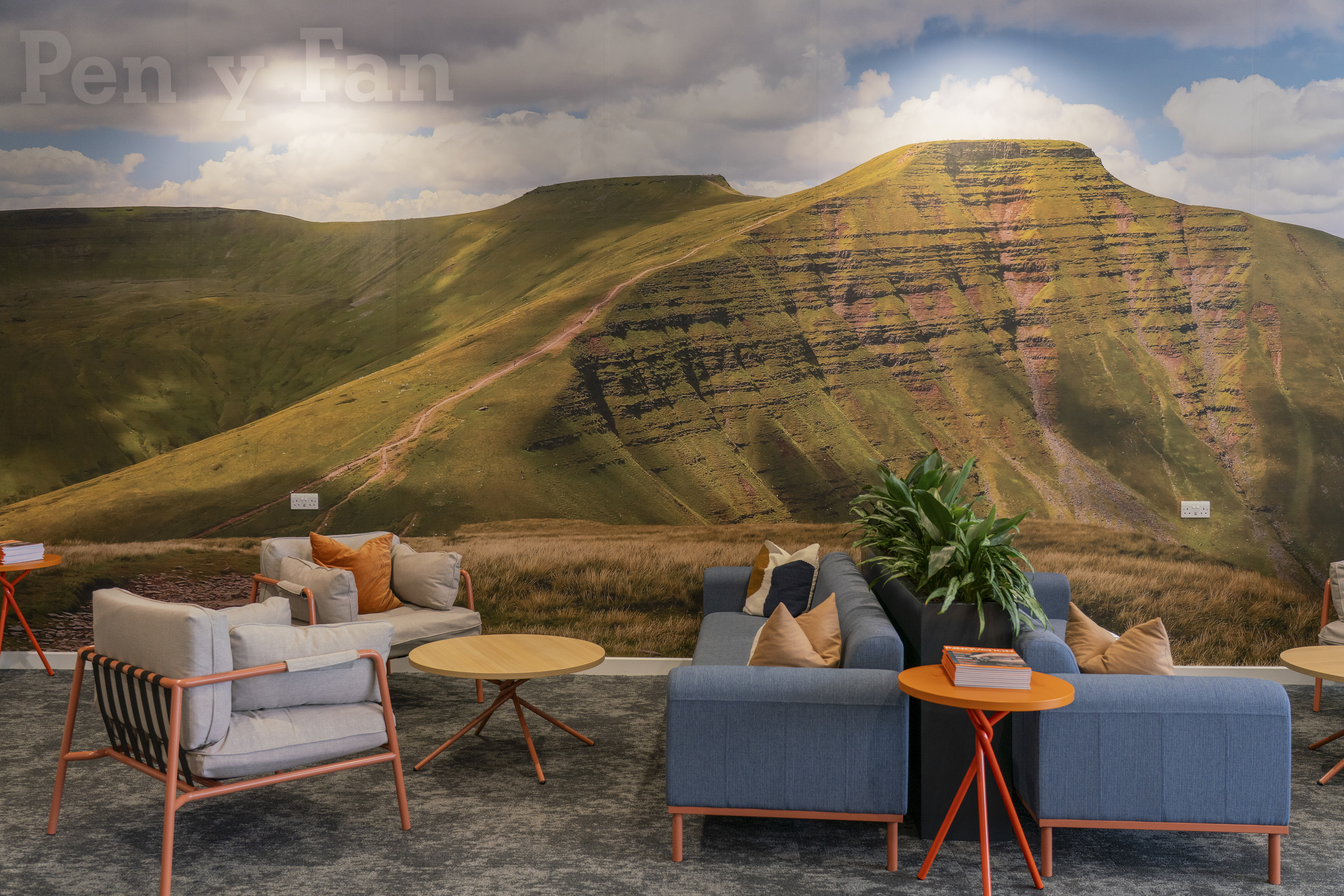
Alongside the manufacturing expansion, Renishaw has also invested in a new employee wellbeing centre, designed to support both sustainability and employee wellbeing while reflecting the company's core values of Integrity, Innovation, Inspiration and Involvement. The facility includes a spacious restaurant, fitness suite and a range of breakout areas with flexible seating, providing spaces for collaboration, informal meetings and quiet relaxation. Soft furnishings, a calming colour palette and a large wall mural of Pen y Fan, South Wales' highest peak, help create a welcoming environment that reflects the surrounding landscape.

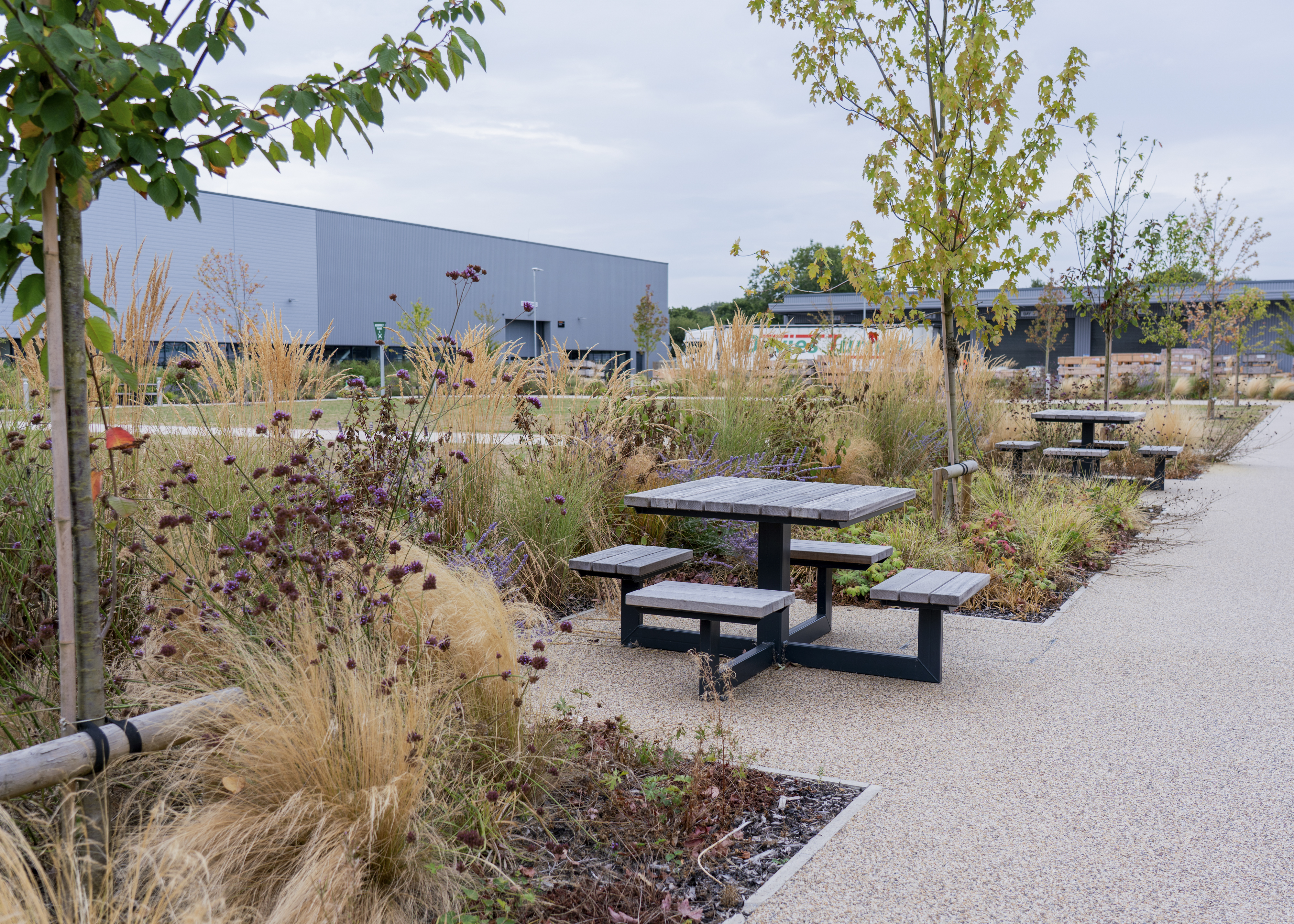
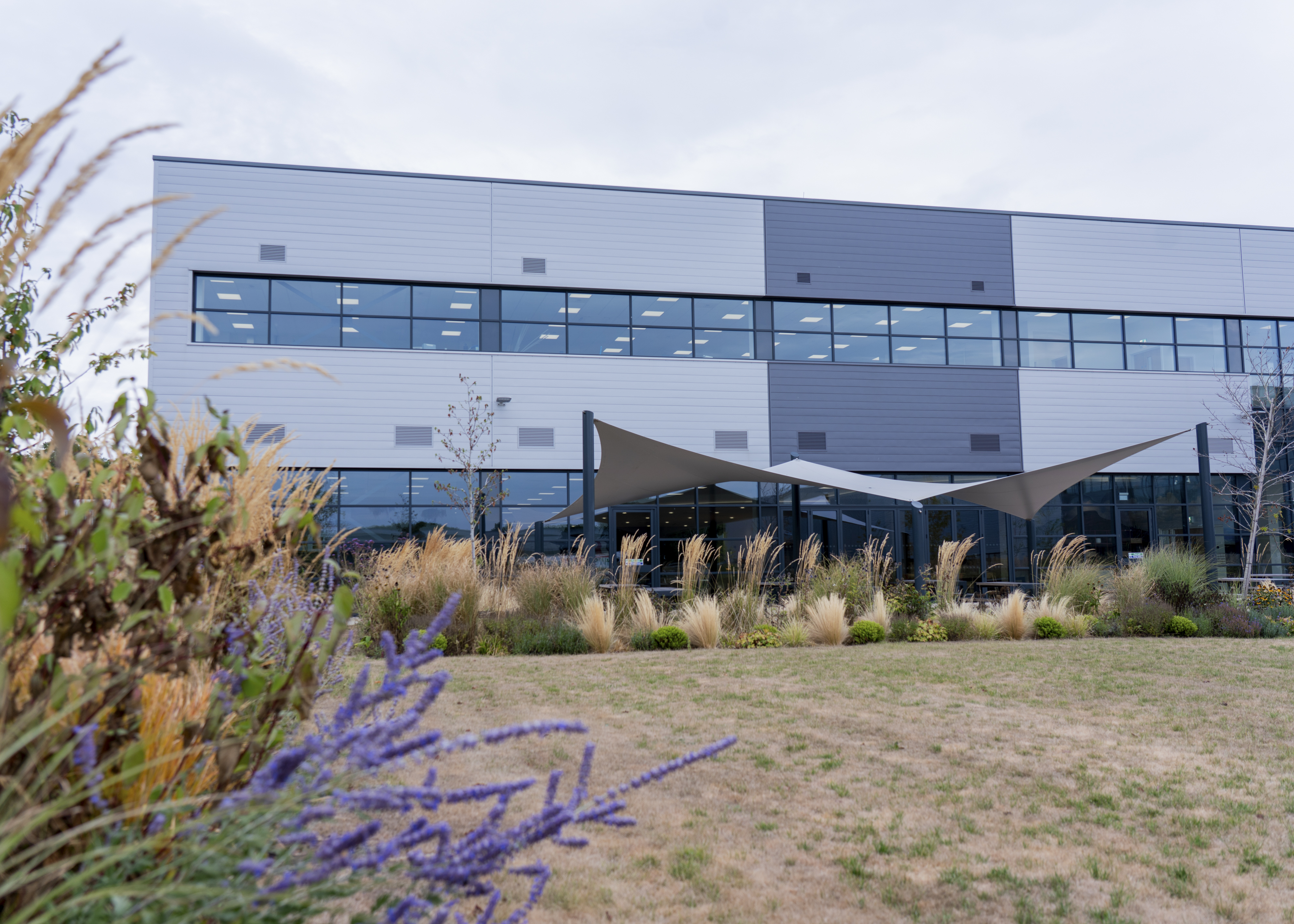
The wider development has also enhanced the site's outdoor environment, with a strong focus on health, wellbeing and biodiversity. Working alongside landscape architects, Renishaw has created a range of landscaped external spaces, including a large central garden featuring outdoor dining areas, lawns and ornamental planting connected directly to the wellbeing centre. Additional breakout and picnic areas have been incorporated throughout the site, including spaces overlooking a large wetland basin and a 2 km perimeter walking route designed to encourage outdoor activity and wellbeing.
The expansion of the Miskin site represents a major long-term investment in UK manufacturing, sustainability and skills development. It reinforces Renishaw's commitment to South Wales while providing a modern, low-carbon manufacturing environment that showcases the best of British engineering. As the site continues to evolve, the new facilities will play a vital role in supporting innovation, reducing carbon emissions and creating high-quality employment opportunities for years to come.