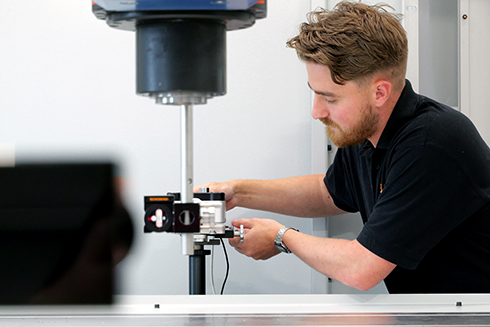
XL-80 laser interferometer system for machine calibration
Easily achieve high-performance measurement and calibration accuracy with the Renishaw XL-80 laser interferometer system, the preferred solution for motion systems, including co-ordinate measuring machines (CMMs) and machine tools.
What is a laser interferometer?
A laser interferometer is a measurement device used to assess and enhance machine performance. It produces an extremely stable laser beam that helps to detect issues in motion systems before they affect production. Unlike laser tracker systems, the XL-80 laser interferometer independently measures geometric errors.
Readings can be taken at up to 50 kHz, with a maximum linear measurement speed of 4 m/s and a linear resolution of 1 nm, even at maximum speed. All measurement options, not limited to linear, rely on interferometric measurements. This ensures utmost confidence in the recorded data's accuracy.
Renishaw has been designing, manufacturing and supplying laser systems for over 35 years. The XL-80 laser interferometer builds on that experience to deliver advanced system performance and operational benefits.
Why would you use a laser interferometer?
The XL-80 laser system is primarily used for measuring the performance of machine tools, CMMs and motion systems. With the XL-80 laser, you can be confident in your machine's precision and identify potential issues before they affect the final product.
Unlike other systems, Renishaw's XL-80 laser can directly measure geometric errors in a machine, providing accurate traceable data that helps you to identify and isolate errors. This data can then be used to make specific adjustments to the machine's assembly or apply error compensation techniques, improving the overall accuracy of the machine. Additionally, running tests with the XL-80 laser can verify these improvements and confirm it meets specification, making it a valuable tool for industries that require precision.
Using the XL-80 laser interferometer with Renishaw's CARTO software, measurements (including linear, angular, rotary, straightness and squareness) across various parameters can be captured and analysed quickly.
Key benefits

Highly accurate
The XL-80 laser interferometer produces an extremely stable laser beam, with a wavelength that is traceable to national and international standards.

Simple set-up
The XL-80 laser signal strength LEDs and alignment features make it easy to set up. CARTO's intuitive interface allows you to begin capturing and analysing data quickly, without the need for training.

Easily portable
The XL-80 laser and XC-80 environmental compensator are so compact that a complete linear system can fit into a wheeled case and weighs 12 kg. The optional tripod in its fabric case completes the metrology solution.

Total confidence
Quality of design, build and technical support are Renishaw's hallmarks. We provide a three-year warranty as standard with the XL-80 laser system and have a reliable global support network.
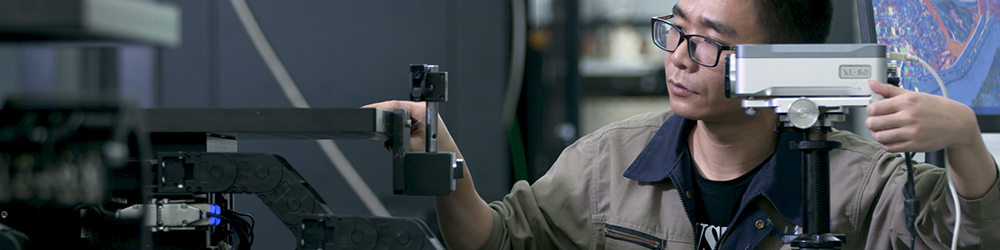
We have found many benefits in using Renishaw's XL-80 laser. It is easy to operate, has fast set-up, user-friendly software with an intuitive interface. Compared to the laser brand we used before, our process efficiency has been enhanced by 30%.
Beijing U-Precision Tech Co., Ltd (China)
Features and benefits
Laser frequency accuracy ±0.05 ppm (parts per million) over three years is achieved by thermal control of the laser tube's length to within nanometres.
Linear measurement accuracy ±0.5 ppm over the whole environmental range. Readings can be taken at up to 50 kHz, with a maximum linear measurement speed of 4 m/s and a linear resolution of 1 nm.
Analogue I/O port allows for analogue signal output and a trigger signal input.
Linear measurement range up to 80m.
Enhanced accuracy with environmental compensation
Fluctuations in air temperature, pressure and relative humidity may affect both the wavelength of laser light and the recorded measurement readings.
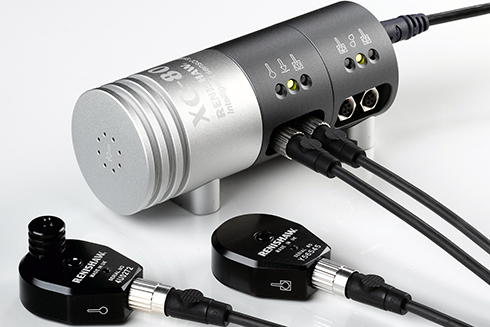
When measuring linear accuracy with the XL-80 laser interferometer, the XC-80 compensator can be used to ensure optimal results.
The XC-80 compensator uses the sensors' readings to modify the nominal value of the laser wavelength to give a true value, which is then used in calculations to virtually eliminate any measurement errors resulting from these variations.
Added functionality with CARTO software
Renishaw's CARTO software consists of three applications; Capture to collect laser measurement data, Explore for powerful analysis to international standards and Compensate for quick and easy error correction.
Regular software updates widen application opportunities.
- Data stitch enables measurement of long axes in several short sections. This allows the user of higher performance short range straightness optics over longer axis measurements.
- Pitch compensation provides easy updates of linear, straightness and rotary compensation tables for supported machine controls.
- CARTO stores laser position, environmental data, and time stamps at every target for detailed error diagnosis and analysis.
Expand your capabilities with our measurement accessories, optics and software
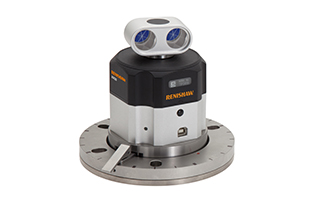
Rotary axis measurement
Using the XL-80 laser interferometer with the XR20 rotary axis calibrator, you can capture and analyse rotary measurement data in CARTO software. The CARTO off-axis rotary measurement mode provides a single source for off-axis measurement tests with Renishaw's XL-80 laser interferometer.
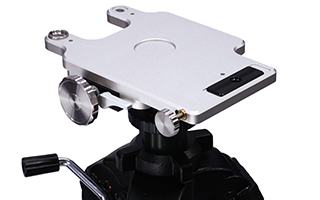
System mounting
A wide range of mounting and staging accessories are available for easy set-up and operation of the XL-80 laser system. From lightweight and adjustable tripods to a tripod stage and magnetic bases, as well as extensive fixturing products, we have the accessories you need.
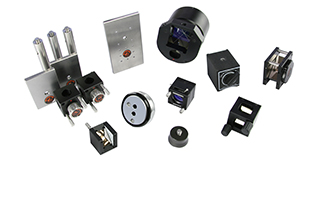
Measurement optics
An extensive range of optics kits and accessories allows for the precise measurement of linear displacement, pitch, yaw, horizontal and vertical straightness along any axis. Additional optics kits are available for measurement of surface flatness and squareness.
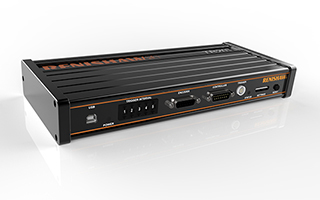
Specialist testing
For more specific measurement requirements, the linear diagonal measurement kit enables precise laser diagonal tests, and the TB20 kit remotely triggers the XL-80 laser system. These precision-engineered tools add versatility to your toolkit, offering more options for enhanced measurements.
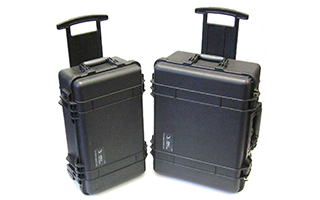
Secure transport
Built for security and convenience, Renishaw's range of rugged cases are lightweight and easily transportable. Meticulously designed to complement different system configurations, you can store your XL-80 laser system with confidence.
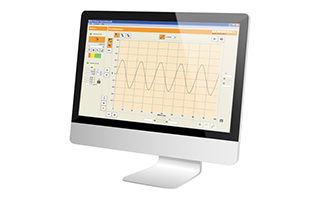
QuickViewXL™ software
QuickViewXL™ software is the ideal tool for research and development or on-the-spot analysis. It enables quick and easy investigation, review and characterisation of motion systems. The simple graphical interface allows flexible operation, removing the need for predefined measurement targets and sequences. Try it out with a 30 day free trial.
XL-80 laser interferometer accessories
Browse our range of measurement optics, mounting accessories and replacement parts.
FAQs
Does the XL-80 laser interferometer need to be periodically recalibrated?
Yes, the recommended recalibration period for the XL-80 laser is three years, when it is used in a 'normal' environment. To find out more, visit our calibration service, repair and recalibration page.
Is laser measurement traceable and how accurate is it?
Laser measurement is traceable since the wavelength of light is an internationally recognised unit of length. Measurements can therefore be highly repeatable and very accurate (<1 ppm) when environmental compensation is applied.
Is there a calibration tool for building or error mapping CMMs?
Yes, CMM volumetric error maps can be generated using laser calibration techniques. Traditionally, this has been done with the XL-80 laser, however the XM-600 multi-axis system has been created specifically for this purpose and cuts the error mapping time down significantly.