Raman spectroscopy is a powerful analytical tool in the jewellery industry
Background:
The Jewellery Institute of Guangzhou Panyu Polytechnic educates the latest generation of professionals for testing, appraisal, assessment and standards development in the jewellery industry. With the increasing demand for instrument technology at the school, confocal Raman microscopes offer enormous advantages for daily teaching and analytical testing across a wide range of applications.
Challenge:
With a growing focus on issues such as the authenticity, quality and traceability of jewellery, the demand for testing is gradually increasing, and new requirements and challenges are being placed on the accuracy, efficiency, convenience, digitisation and intelligence of jewellery testing equipment.
Solution:
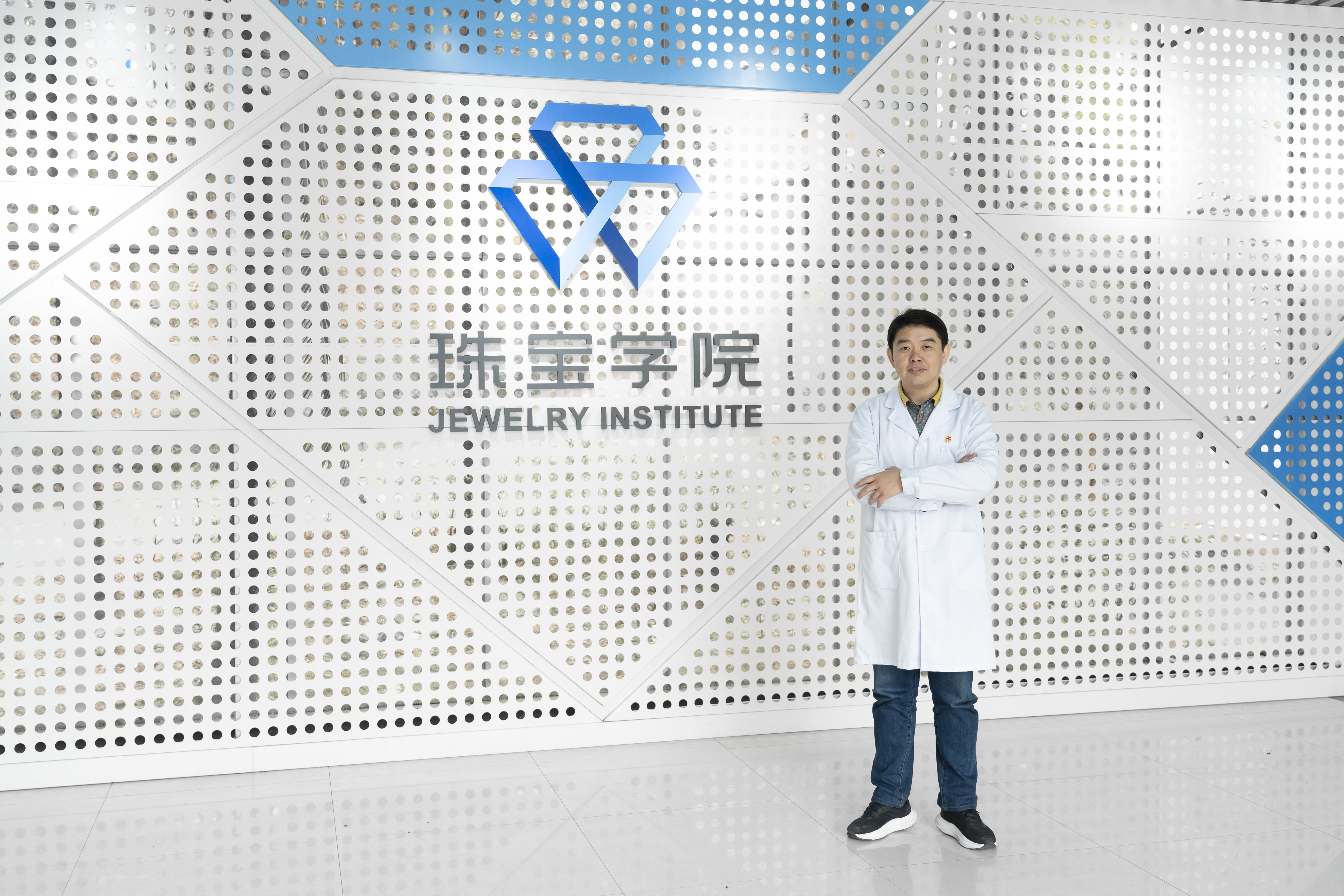
Renishaw's inVia™ confocal Raman microscope employs non-destructive testing to accurately identify the authenticity of gemstones and the types of mineral phases. The inVia microscope collects Raman and photoluminescence spectra to help gemmologists understand crystal defects, vacancies and substitutions, as well as analysing inclusions deep within the gemstone.
A growing need for jewellery authentication services
In the glittering world of jewellery, each gemstone has a unique story and can vary significantly in value. Todays consumer is increasingly aware of quality and traceability resulting in a growing demand for jewellery authentication services. In addition, gemmological instruments are now required to be more accurate, efficient and intelligent.
These developments have been accompanied by rapid growth in the jewellery market. This has led to an increase in the number of jewellery testing services, either operated by jewellers and retailers, or as independent testing organisations. There is now a greater demand for advanced analytical instruments and highly skilled gemmologists.
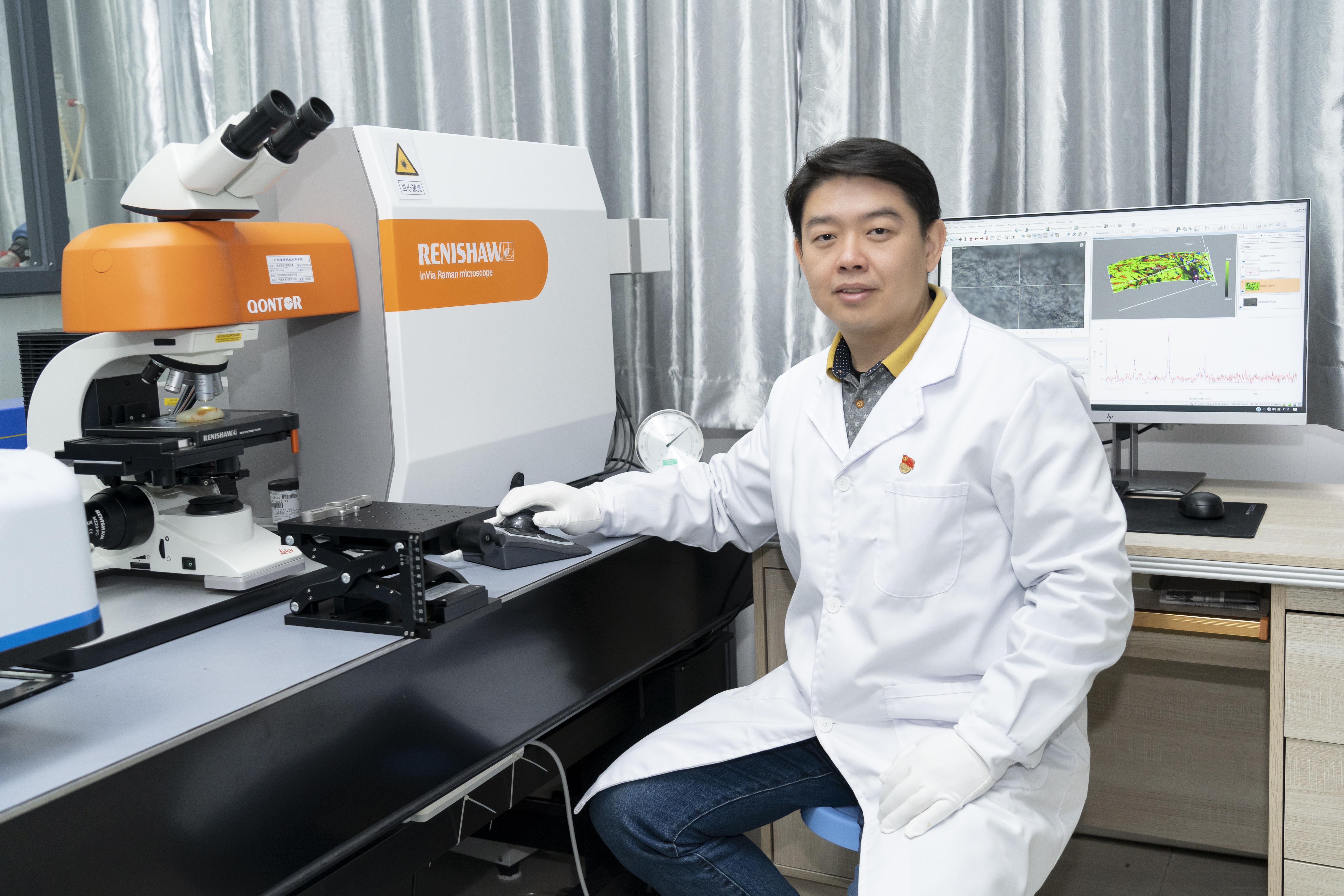
Gemmology at Guangzhou Panyu Polytechnic, China
The Jewellery Institute of Guangzhou Panyu Polytechnic educates the next generation of professionals in testing, identification, valuation and standards development in gemmology. This leading institution emphasises hands-on learning and technological innovation, thus driving advances in the jewellery industry. The school uses advanced analytical instruments for daily teaching and appraisal.
Scientific instrumentation is important for jewellery testing, as Dean Li Kun emphasises, “Increased demand for jewellery testing has brought with it new requirements, such as accelerated digital transformation and the gradual adoption of AI technology. In addition to non-destructive testing, analytical instruments are becoming more accurate, efficient, convenient, digitised and intelligent.”
The Jewellery Institute invests in a Renishaw Raman spectrometer
Due to growing research interest in gemstone and jade inclusions, the Jewellery Institute of Guangzhou Panyu Polytechnic purchased an inVia microscope in 2021. Explaining this decision, Li Kun said, “Renishaw's Raman spectrometers have obvious advantages over other instruments. Renishaw has excellent presence in the mineral analysis field, especially in the jewellery and jade industry. Good training, maintenance and aftersales service, were also strong considerations at the time of purchase.”
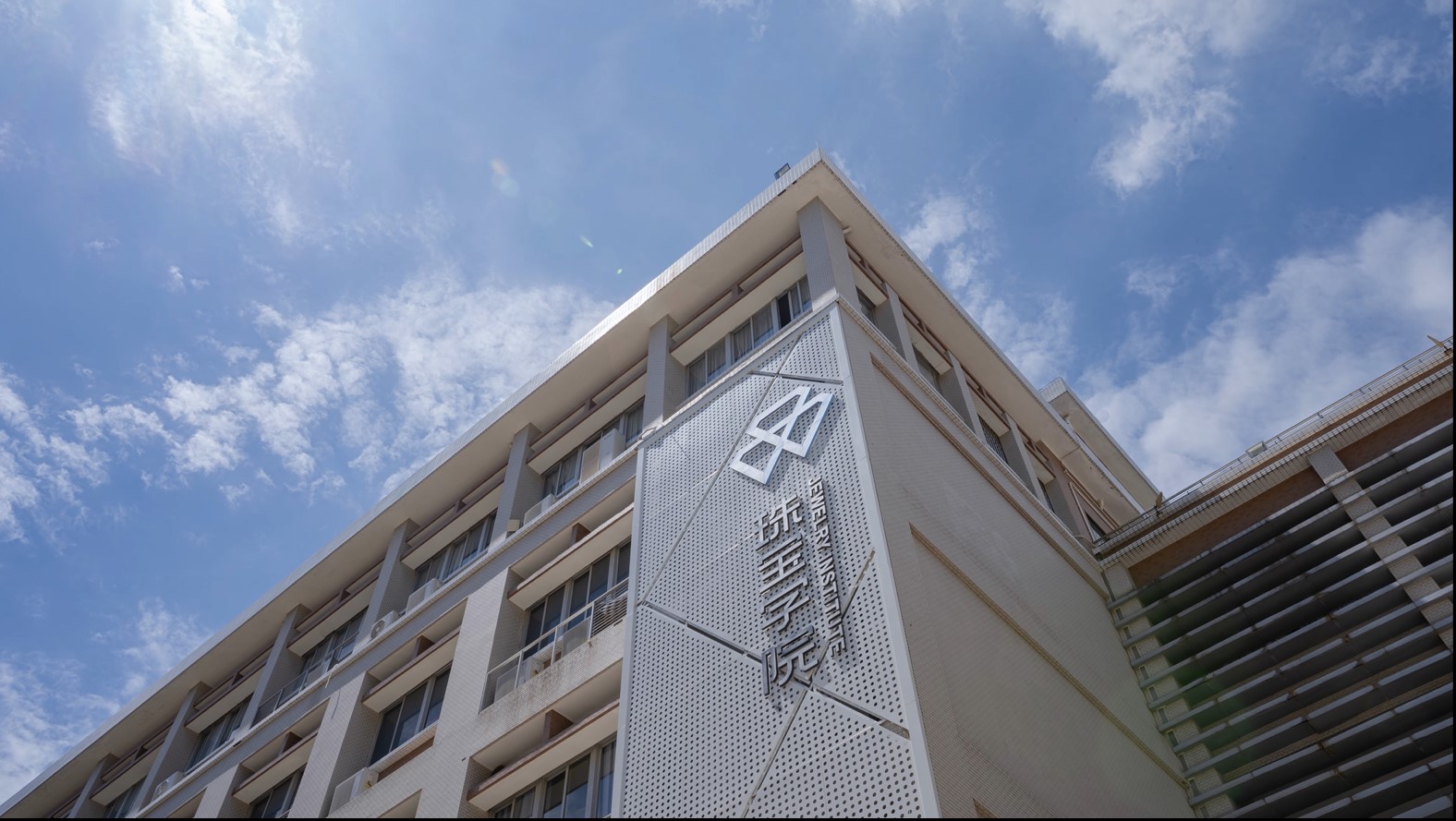
As far as Mr Li was concerned, the choice of Renishaw Raman products goes beyond the brand; it was based on personal experience. Mr Li first encountered Renishaw spectrometers when he started working at Xinjiang
Gemstone Testing Centre in 2013. The instrument is very easy to operate, the interface is very user-friendly and my experience has been very good, says Mr Li, speaking highly of Renishaw's inVia microscope.
During the introduction, Mr Li also highlighted Renishaw's inVia Raman microscope complements traditional jewellery inspection and analysis techniques. It enables Raman spectroscopy for direct qualitative analysis of chemical components and structure, and photoluminescence spectroscopy for understanding material defects. The inVia microscope includes an optical microscope that is familiar to gemmologists and can be used for all standard observation methods. We can obtain a spectrum simply by focusing on the sample.
In addition, with LiveTrack real-time focus-tracking technology, it is easy to analyse the composition of jewellery with complex surfaces. We can thus understand the relationship between surface topography, chemistry and structure. StreamHR™ imaging technology makes it easy to determine the composition of inclusions and visualise their 3D structure. These also meet the needs of jewellery and jade testing, explains Mr Li.
Raman spectroscopy aids in jewellery and jade testing
Renishaw's inVia™ confocal Raman microscope employs a non-destructive optical technique to identify mineral phases and authenticate gemstones. In gemmology, the inVia microscope can perform Raman and photoluminescence (PL) analysis to:
• Identify and authenticate gemstones.
• Differentiate natural, synthetic or enhanced gemstones.
• Identify solid, liquid and gaseous inclusions.
• Analyse crystal defects, vacancies and substitutions.
Dean Li Kun explained that the jewellery industry currently uses advanced analytical techniques, including Fourier-transform infrared (FTIR), Raman and UV-Vis spectroscopy. Raman microscopy does not damage the sample, which is a significant advantage in the field of jewellery testing.
“As one of the key programmes in the Double First-Class initiative, the Jewellery, Jade and Precious Metals Testing Centre at Guangzhou Panyu Polytechnic has invested close to RMB 40 million (~GBP 4.25 million) in scientific instrumentation. These include laser Raman spectrometers, X-ray photoelectron spectrometers (XPS), field emission scanning electron microscopes (FESEM), laser ablation inductively coupled plasma mass spectrometers (LA-ICP-MS) and X-ray powder diffractometers (XRD). In 2021 and 2023, the centre successfully obtained certification from the China Inspection Body and Laboratory Mandatory Approval (CMA) and the China National Accreditation Service for Conformity Assessment (CNAS). These awards validate the centre as a research platform for teachers and students, as well as a provider of technical services to the wider community.”
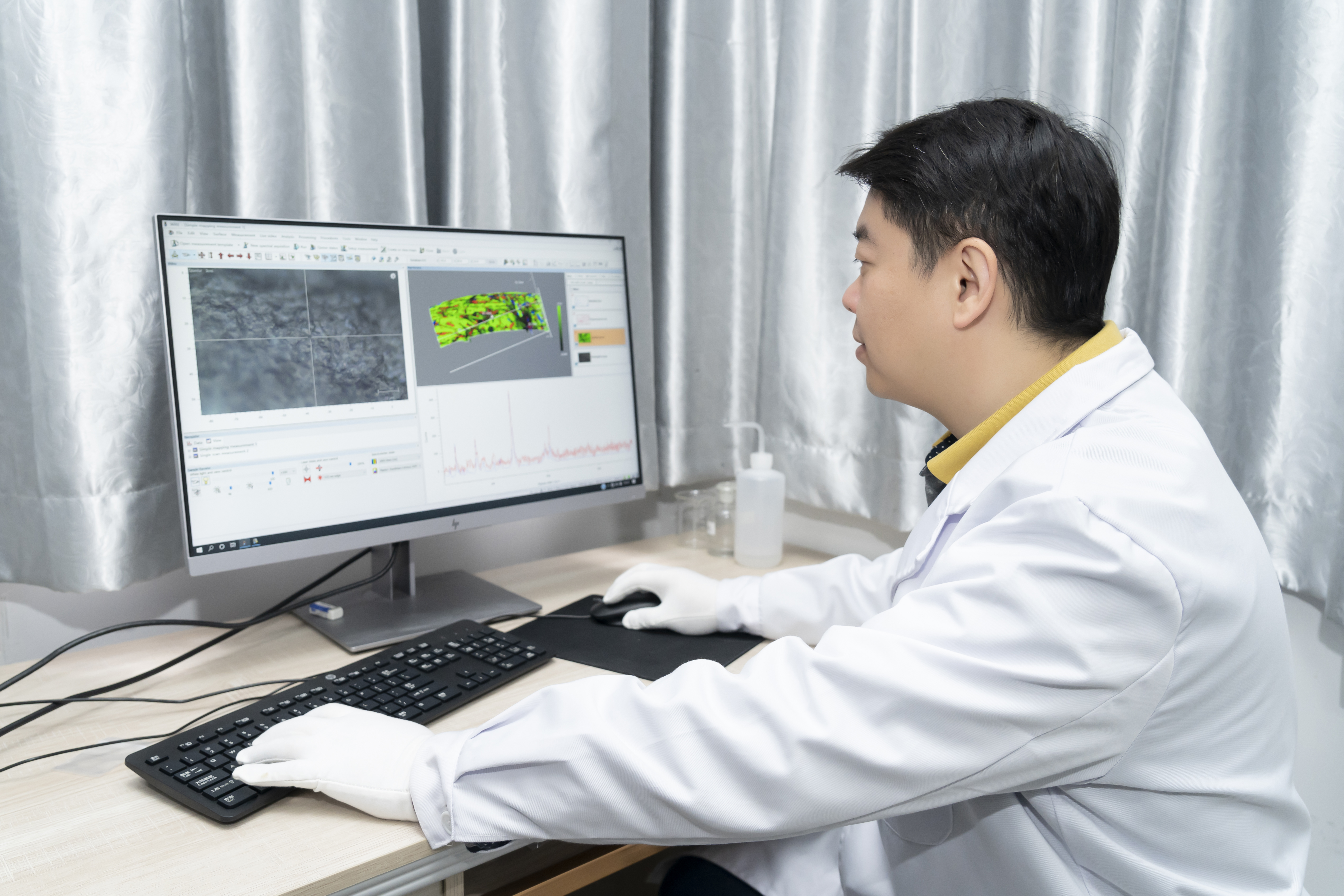
User-friendly software for Renishaw Raman spectrometers.
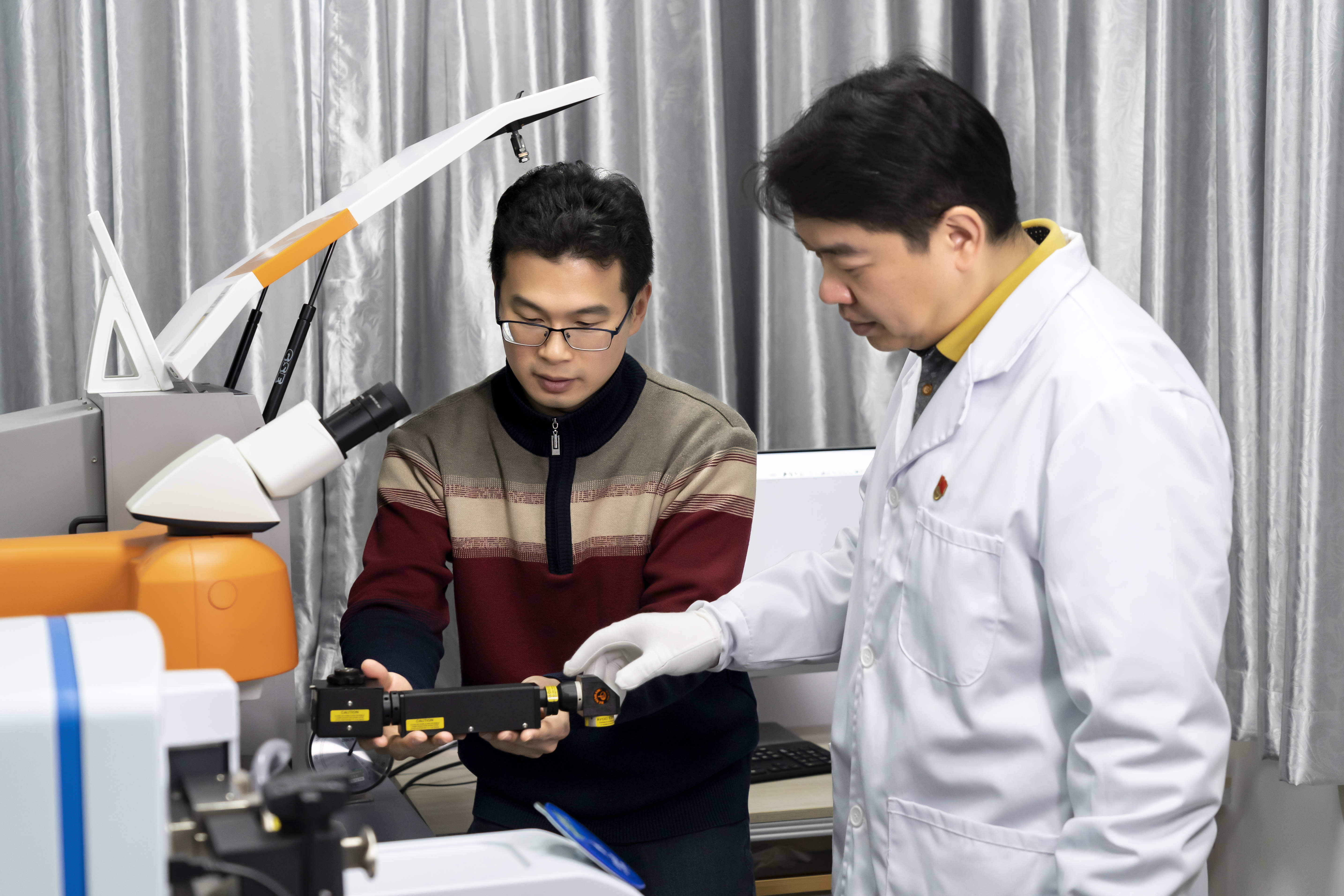
Expert pre-sales consulting and after-sales service.
Future Raman applications
Jewellery and jade Raman spectral database
Dean Li Kun also shared with us the typical work that the inVia microscope is used for at the Jewellery Testing Centre, such as the grading and analysis of cultivated pink diamonds. In May 2021, the Centre was commissioned by Renishaw to develop a Raman spectral database for jewellery and jade. The project builds on Renishaw's extensive spectral libraries by expanding the jewellery and jade section. This partnership will support faster and more accurate assessment of jewellery and jade. To further enhance the Raman database and improve the analytical skills of the lecturers, they analysed all of the school's ~10,000 specimens using Raman spectroscopy. Future plans include using the inVia microscope to analyse inclusions in different specimens, as well as developing multimodal Raman measurements in combination with other techniques such as surface scanning.
Quantitative testing and research in gemmology using Raman spectroscopy
The next step for the jewellery testing industry will be to use Raman spectroscopy to conduct quantitative testing and research in gemmology. The Jewellery Centre is currently using Raman spectroscopy to perform quantitative colour analysis of synthetic pink diamonds. Dean Li has been using Raman spectrometers for many years as they provide in-depth structural analysis capabilities suitable for detecting lattice defects. There is still a lot of demand for laser Raman and PL spectrometers in the jewellery testing industry. Their powerful testing and analysis capabilities are widely applicable, and so spectrometers are expected to become a powerful tool in the field of jewellery testing.
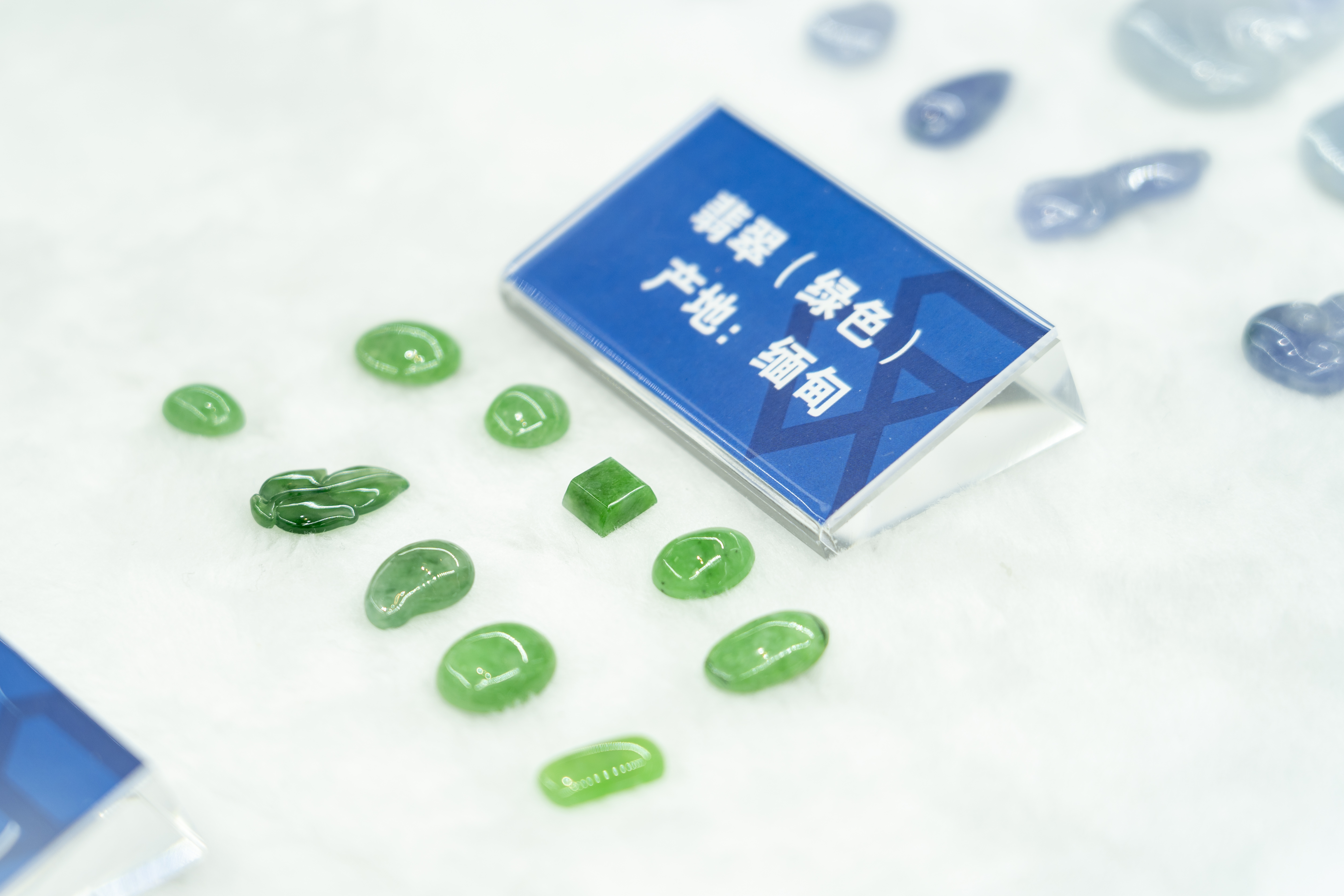
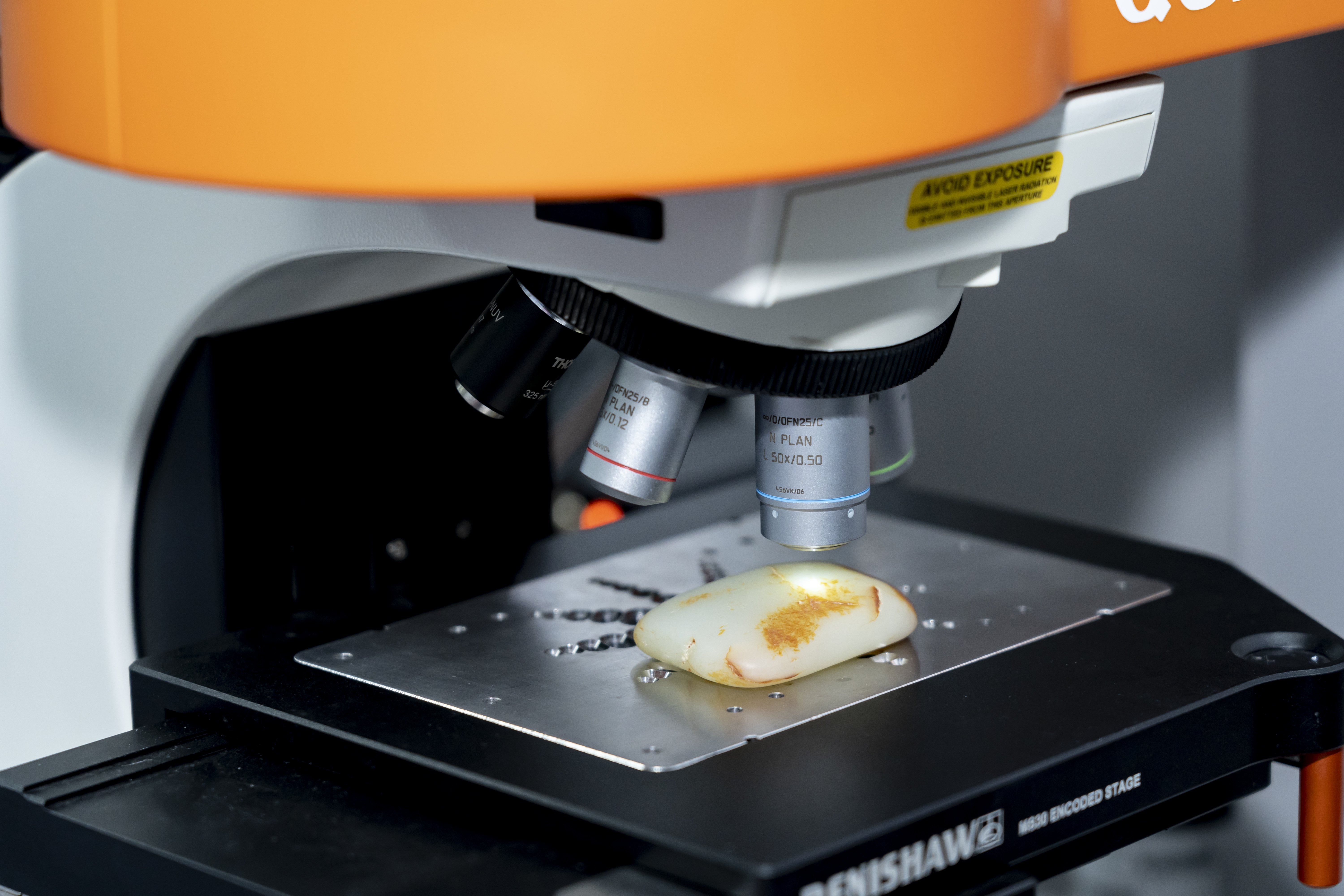
Gemstone specimens at the Jewellery Institute of Guangzhou Panyu Polytechnic, China.
Raman spectroscopy is gaining popularity in jewellery testing
Historically, Raman spectrometers are mostly used in scientific research. They are predominantly located in larger jewellery testing laboratories in universities, research institutes and national testing laboratories. There is still a large unmet demand for Raman spectrometers in the wider jewellery testing industry. With powerful testing and analysis capabilities and broad application prospects, Raman spectrometers are expected to become a powerful tool in the field of jewellery testing. To support this developing trend, Dean Li also called for the publication of industry standards for Raman technology. Such a development would encourage widespread use, thereby raising adoption of Raman spectrometers in the jewellery testing industry.
Qualified specialists are also a very important factor. As society advances, vocational colleges are placing increasing emphasis on training skilled personnel with practical skills. One such vocational college is the Jewellery Institute of Guangzhou Panyu Polytechnic, which has invested heavily in research-grade testing and analysis equipment. When it comes to Raman spectroscopy, the Jewellery Institute has compiled the teaching resources required so that students can be trained with these advanced scientific instruments.
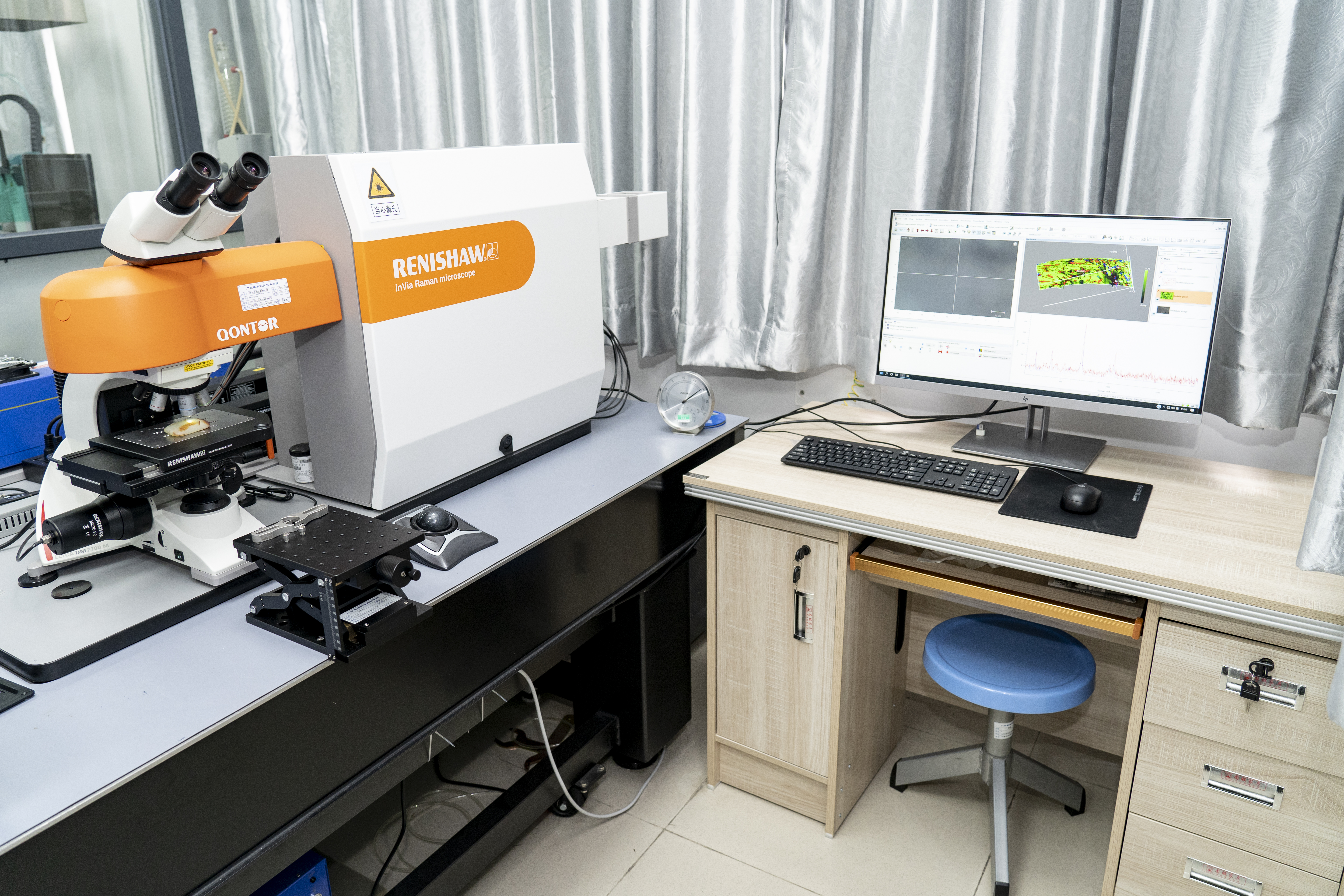
About Dean Li Kun
Li Kun is Dean of the Jewellery Institute of Guangzhou Panyu Polytechnic and professor-level senior engineer, Master's supervisor at the Department of Earth Sciences at Guilin University of Technology, member of the National Standardisation Technical Committee for Jewellery (SAC/TC256) and Vice Chairman of the Guangdong Standardisation Technical Committee for Precious Metals (GD/TC51). He is primarily engaged in testing, appraisal, evaluation and standards development in mineralogy, petrology and jewellery, jade and precious metal items.
He was formerly the Chief Engineer of the Xinjiang Uygur Autonomous Region Product Quality Supervision and Inspection Research Institute (National Hotan Jade Product Quality Supervision and Inspection Centre), during which time he was awarded the second prize for scientific and technological progress in the autonomous region.
He oversaw a project for the General Administration of Quality Supervision, Inspection and Quarantine, followed by an industry-university-research collaborative innovation project by the Ministry of Education Science and Technology Development Center, which led to the development of four national standards, seven group standards and five invention patents.
In 2020, he set up the Jewellery, Jade and Precious Metals Inspection Centre at Guangzhou Panyu Polytechnic, which aims to continuously improve the accuracy and efficiency of testing technology and provide strong technical support for the sustainable and regulated development of the jewellery, jade and precious metal market. In recent years, under his leadership, the centre has grown ever stronger in terms of professional talent and technical capabilities. The Centre has quickly become a recognised testing authority in the industry, providing high-quality testing and appraisal services to numerous companies and consumers.
About the inVia microscope
Discover more about how the inVia confocal microscope is suitable for your organisations applications.
Analyse gems with Raman and photoluminescence spectroscopy:
Todays gemmological laboratories need to have instruments and skills that rival university research centres. Of the many analysis techniques available, Raman and photoluminescence spectroscopies have become the best techniques for gemstone certification and characterisation.
Find out more
On-demand webinar:
Raman microscopy and micro-photoluminescence - extraordinary tools in the gemmologist's hands
In this webinar we will illustrate through examples and real cases, the many analysis techniques available. Raman and photoluminescence spectroscopies have become the best techniques for the certification of gemstones.
Watch the webinar