Scaling low-carbon aluminium: Renishaw's model for supplier engagement
Background

As part of Renishaw's commitment to achieving Net Zero by 2050, the company has set a strategic target to reduce Scope 3 greenhouse gas (GHG) emissions by 50 percent by 2030. To reach this target, the company is focusing on the most material sources of Scope 3 emissions across its value chain.
Renishaw's analysis identified “purchased goods and services” and “capital goods” as one of the top emitting Scope 3 categories. Within these categories, raw metals — particularly aluminium and steel — are the most carbon-intensive commodities. The project has also strengthened Renishaw's Scope 3 reporting by enabling the collection of primary emissions data from suppliers, improving accuracy and identifying targeted reduction opportunities.
To reduce these upstream emissions while maintaining the high quality of its precision products, Renishaw launched a dedicated project in 2023 led by its Sustainability, Procurement and Materials Science teams. The initiative focused on mapping the aluminium supply chain, identifying emission hotspots and exploring practical pathways to reduce the carbon intensity of purchased aluminium. A key component for the company's machine tool probe optical transmission system was selected for material evaluation and testing.
Renishaw's principal supplier for raw metal is Aalco, the UK's largest independent multi-metals stockholder. Aalco provides the company with approximately 500 tonnes of aluminium and 500 tonnes of other raw metals annually, and their existing commitment to sustainable sourcing made them a natural partner for the initiative.
Challenge
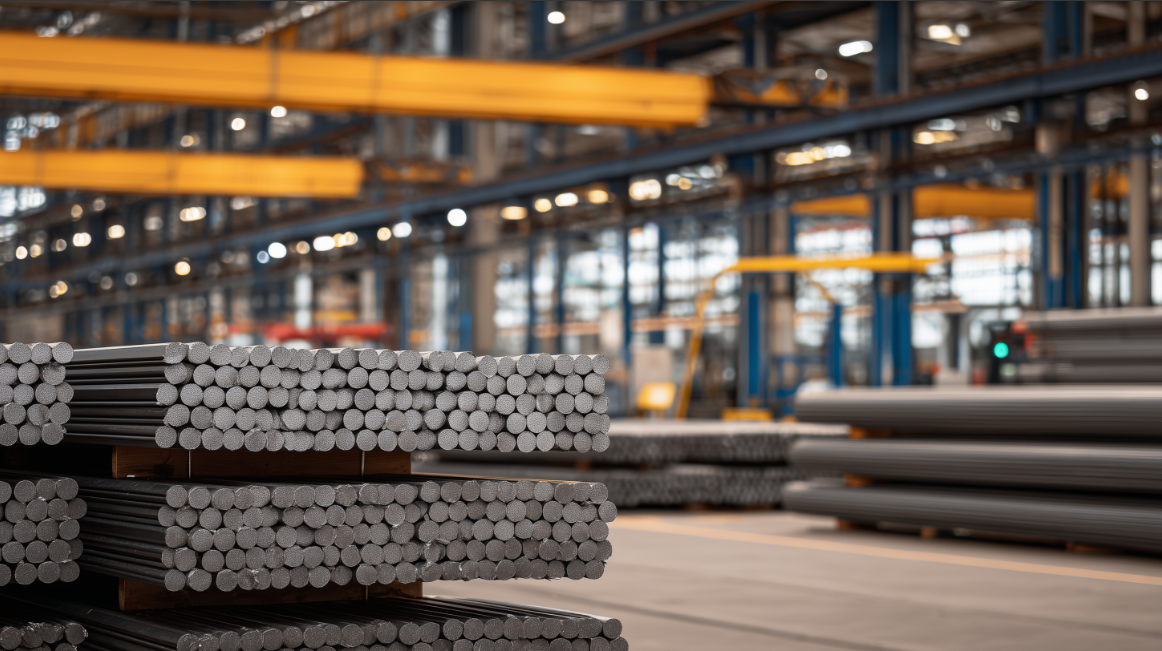
Primary aluminium production is highly energy-intensive and a significant source of upstream GHG emissions. Transitioning to secondary (recycled) aluminium offered a clear opportunity to reduce emissions but posed technical and supply-chain challenges for a precision engineering company.
Recycled aluminium can vary in chemical composition and may present contamination risks. To meet Renishaw's performance standards, machining and metallurgical properties needed to match primary alloy benchmarks. Identifying low-emission foundries and reliable secondary supply chains required close supplier collaboration and access to primary sustainability data. Renishaw also needed a scalable approach that could be applied across its aluminium procurement process without compromising product quality or production continuity.
Solution
In 2024, Renishaw developed an internal methodology to guide supplier engagement and support suppliers in building GHG emissions reduction plans. This methodology was presented to the company's Environmental, Social and Governance (ESG) Steering Committee and received approval to proceed.
Using this approach, Renishaw and Aalco transitioned selected products from primary to secondary aluminium. The identified supply chain delivered an emissions factor of 1.78 kgCO₂e per kg of aluminium, compared to 5.37 kgCO₂e per kg from the previous supply route — a 67% reduction in emissions intensity.
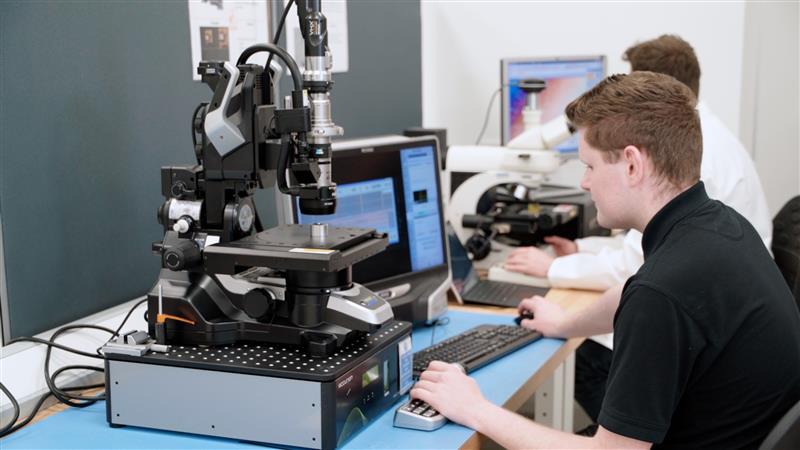
To validate the recycled material, teams from Renishaw's Materials Science and Machine Tool Products Division conducted a comprehensive evaluation programme. This included site visits to a foundry and processing mill in Italy, chemical and metallographic testing, and machining trials on components, including key components for Renishaw's optical transmission system for machine tool probes. The recycled alloy met Renishaw's standards for mechanical performance and manufacturability.
By working closely with our suppliers and transitioning to recycled aluminium, we've shown that it's possible to significantly reduce emissions without compromising on quality. This project is just the beginning - we're embedding sustainability into every part of our supply chain and product design to help shape a low-carbon future.
Roz Woodman, Sustainability Value Chain Lead
Results
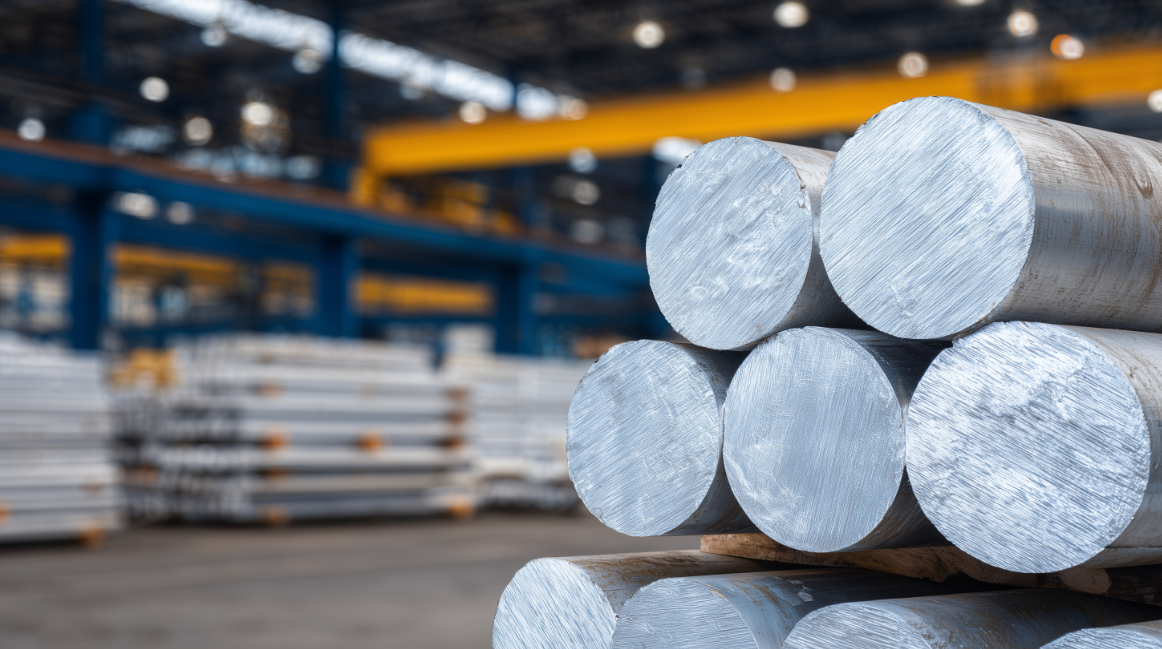
Following successful validation, Renishaw increased the recycled content of its aluminium purchases from approximately 75% to 100% from its key supply chain. The company is now working with three additional aluminium suppliers to help them develop emissions reduction plans using the same methodology.
Renishaw has embedded the methodology into its supplier engagement programme and is expanding it to cover steel supply chains. The company has also developed carbon metrics to track manufacturing waste and prioritise high-impact interventions, alongside training materials to support accurate GHG calculations and sustainable equipment selection.
Looking ahead, Renishaw is integrating sustainability into product design and innovation. A Design for Sustainability guidance document and a product-level carbon calculator tool is being rolled out to engineers to support customer-facing emissions targets and demonstrate product-level benefits.